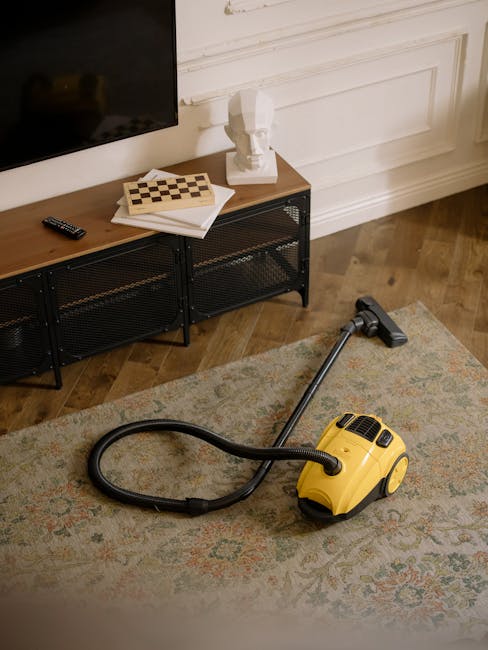
SE4 rug cleaning tips for period homes Crofton Park
If you live in a period property in Crofton Park, you already know the charm is in the details: the original floorboards, the bay window, the slightly uneven hallway, and the rug that somehow ties the whole room together. The trouble is that older homes can be less forgiving than modern flats. Moisture, dust, worn backing, delicate dyes, and draughty rooms can all affect how a rug should be cleaned. That is why SE4 rug cleaning tips for period homes Crofton Park need a slightly different approach - one that protects character as well as cleanliness.
In this guide, you will find practical, no-nonsense advice for cleaning rugs safely in older properties, plus common mistakes to avoid, methods that work best, and when it makes sense to call in professional help. A few small choices can make a big difference here. Honestly, sometimes the safest move is the boring one.
Table of Contents
- Why it matters in period homes
- How the cleaning process works
- Key benefits and practical advantages
- Who this is for and when it makes sense
- Step-by-step guidance
- Expert tips for better results
- Common mistakes to avoid
- Tools, resources and recommendations
- Law, compliance, standards, or best practice
- Options, methods, and comparison table
- Case study or real-world example
- Practical checklist
- Conclusion
- Frequently asked questions
Why SE4 rug cleaning tips for period homes Crofton Park Matters
Period homes in SE4 often come with original features that look beautiful but can be a little temperamental. A rug laid over timber floors, old joists, or uneven boards can shift, trap dust, or absorb moisture differently from a rug in a newer property. That matters because aggressive cleaning can create rippling, dye bleed, shrinkage, or odour that seems to linger far longer than expected.
There is also the simple reality of everyday living. Older homes tend to have more airflow through gaps around windows and floorboards, which means more dust settles into fibres. Add family life, pets, muddy shoes, and a rainy Crofton Park afternoon, and a rug can move from "fine" to "why does that smell like wet wool?" quite quickly.
Rug cleaning in period homes is not just about appearance. It helps preserve textiles, reduce embedded grit that wears down fibres, and keep the room feeling fresher without upsetting the fabric or the room beneath it. If the rug is antique, hand-knotted, wool, silk-blend, or has a fragile backing, careful handling is even more important.
Expert summary: In a period home, the best rug cleaning method is usually the gentlest effective one. Start with dry soil removal, test for colour stability, control moisture carefully, and dry the rug quickly with good airflow.
How SE4 rug cleaning tips for period homes Crofton Park Works
Good rug cleaning is less about one miracle product and more about a sequence. You assess the rug, identify the fibre and backing, check for stains or wear, choose a method, and then dry it properly. That sounds basic, but this is where many problems are prevented.
For period homes, the biggest concern is water management. Too much moisture can seep under a rug and linger on original floors. Too much heat can flatten natural fibres or distort delicate weaves. Strong cleaning chemicals can strip colour or leave residues that attract dirt again. So the method has to match both the rug and the home.
In practice, the process usually looks like this:
- Lift loose dirt with careful vacuuming on a suitable setting.
- Check the label, fibres, and backing if available.
- Test any cleaner on a hidden corner first.
- Treat spots with the lightest approach that might work.
- Use low-moisture cleaning where possible.
- Dry the rug thoroughly and evenly.
- Put it back only when both sides are properly dry.
That last part matters more than people think. A rug can feel dry on top while the underlay or backing is still damp underneath. In an older house, that can become a musty smell before you even notice a visual problem.
If you are dealing with a rug that also sits against upholstered furniture or heavy curtains, it can help to think about the whole room, not just one item. You may find it useful to look at related care options such as upholstery cleaning, curtain cleaning, or even broader carpet cleaning if dust and allergens seem to settle everywhere at once.
Key Benefits and Practical Advantages
The main advantage of cleaning rugs properly in a period home is protection. Clean rugs last longer, smell better, and keep the room looking cared for rather than tired. That is the obvious bit. The less obvious bit is how much hidden wear you prevent by removing abrasive dirt before it cuts through the pile.
Here are the practical gains people usually notice first:
- Better air quality at floor level. Rugs trap dust, pollen, pet hair, and everyday debris.
- Less fibre damage. Grit acts like sandpaper if left in place.
- Improved appearance. Colours often look brighter once the dull film of soil is removed.
- Reduced odours. Especially useful in homes with pets or older underlay.
- More protection for original floors. Clean, dry rugs are less likely to cause moisture issues.
- Longer rug lifespan. That matters if the piece has sentimental or financial value.
There is also a comfort factor. A freshly cleaned rug changes the way a room feels underfoot. It sounds small, but in a Crofton Park sitting room on a grey evening, that softer, cleaner feel is oddly satisfying. A bit of quiet luxury, really.
Who This Is For and When It Makes Sense
These tips are useful if you live in a Victorian, Edwardian, or early 20th-century property in SE4 and you have one or more rugs that matter to you. That could be a hallway runner, a wool living room rug, a family heirloom, a flat-weave rug in a bedroom, or a decorative piece that ties the room together.
It especially makes sense for you if any of these apply:
- You have original timber flooring beneath the rug.
- The property feels draughty or humidity changes through the seasons.
- You have pets, children, or heavy foot traffic.
- The rug is wool, handmade, antique, or otherwise delicate.
- There are food, wine, mud, or pet-related stains.
- You have tried DIY cleaning before and the rug dried oddly or started smelling musty.
Truth be told, if a rug is valuable or fragile, it is often less stressful to treat it as a textile project rather than a quick clean-up job. That shift in mindset helps. You stop chasing speed and start protecting the item.
For tougher spots, especially pet accidents or recurring odours, a specialist approach may be more suitable. In that situation, pet stain odour removal and stain removal can be useful service pages to review before you decide what level of help you need.
Step-by-Step Guidance
This is the part most people want, so let's keep it practical. The safest rug-cleaning routine for period homes is usually built around preparation, testing, gentle cleaning, and proper drying. Rushing the middle step tends to be where things go wrong.
1. Identify the rug before you clean it
Check whether the rug is wool, synthetic, cotton, silk, viscose, jute, or a blend. If you do not know, assume it is more delicate than you hoped. Look at the backing too. A latex or glue-backed rug can react badly to excessive water or heat.
2. Vacuum carefully first
Vacuum both sides if possible, but use a gentle setting and avoid aggressive brush bars on delicate fibres. This removes dry grit that would otherwise turn into muddy paste once moisture is added. The dry soil stage is boring, but it saves rugs.
3. Test for colour stability
Dampen a white cloth with a small amount of diluted cleaner and press it against an inconspicuous area. If colour transfers, stop and reassess. That one little test can prevent a very expensive mistake.
4. Spot-treat stains lightly
Blot, do not rub. Use a clean cloth and work from the outside of the stain inward. For food marks or muddy spots, a mild solution is often enough. For sticky residues, a tiny amount of targeted cleaner may help, but keep moisture under control.
5. Clean the full rug in a controlled way
If the rug needs a full clean, use the least wet method that gives a proper result. Low-moisture or carefully managed steam cleaning can work for some rugs, but not all. If there is any doubt, a specialist rug cleaning service is the safer route.
6. Dry thoroughly and evenly
Lay the rug flat where air can circulate. Open windows if weather allows, but avoid placing it too close to direct heat or a fireplace. Flip it if necessary so the underside dries too. In an old house, drying can take longer than you think. A bit longer. Then a bit longer again.
7. Re-position only when fully dry
Once dry, check the rug's texture, smell, and corners. If it feels cool, damp, or stiff in the middle, it needs more time. Replacing it too early can trap moisture against the floor.
Expert Tips for Better Results
A few small habits can noticeably improve the outcome. They are not glamorous, but they work.
- Use a rug pad. It reduces slipping and helps air circulate underneath.
- Rotate rugs regularly. This prevents uneven wear near fireplaces, doors, and sunny spots.
- Vacuum slowly. Give the machine time to lift embedded dust.
- Blot spills immediately. The first minute matters more than the next hour.
- Keep cleaning agents mild unless you know the fibre. Stronger is not always better.
- Mind the floor beneath. Original boards can stain or cup if they stay damp.
- Watch for dye migration. Deep reds, blues, and dark borders can bleed when over-wet.
A small real-world observation: rugs in hallways and front rooms often show grime unevenly, not because they are dirtier overall, but because people naturally tread the same path every day. You can usually see the outline of the room's habits if you look closely enough.
If the whole home is showing signs of deep-set dust, pairing rug care with broader soft furnishing cleaning can help the result last longer. A coordinated approach with steam carpet cleaning or sofa cleaning can make the whole room feel refreshed, not just one piece of it.
Common Mistakes to Avoid
Most rug damage happens through enthusiasm, not neglect. People want the stain gone, so they scrub harder, pour on more liquid, or blast it with heat. We've all been there, or something close.
- Over-wetting the rug. This can cause shrinkage, backing failure, or damp smells.
- Rubbing stains aggressively. That pushes soil deeper into the fibres.
- Using harsh bleach or all-purpose sprays. These can strip colour or damage natural fibres.
- Drying too quickly with high heat. Heat can distort shape and texture.
- Leaving the rug on a damp floor. Original floors and old subfloors need protection.
- Skipping the test patch. It is a small step with a big payoff.
- Assuming every rug can be steam cleaned. Not true. Not even close.
One more thing: if a rug smells worse after cleaning, that often means moisture was trapped rather than removed. It can be fixed sometimes, but it is better not to get there in the first place.
Tools, Resources and Recommendations
You do not need a cupboard full of products. In fact, too many products usually make the job messier. A sensible basic kit is usually enough for routine care.
| Item | Why it helps | Best for |
|---|---|---|
| Vacuum with adjustable suction | Removes grit without roughing up fibres | Weekly maintenance |
| White cotton cloths | Useful for blotting and test patches | Spill response |
| Soft brush | Lifts surface dust gently | Flat-weave or sturdy rugs |
| Mild wool-safe cleaner | Reduces risk to natural fibres | Compatible rugs |
| Fan or good airflow | Speeds drying without harsh heat | After cleaning |
| Rug pad | Helps with stability and airflow | Most period-home settings |
For professional help, it is worth checking that any company you consider is clear about insurance, process, and safety. A reputable provider should explain what they can and cannot clean, what happens if a stain is not fully removable, and how drying is managed. You can also review practical pages like insurance and safety and health and safety policy for extra reassurance before booking.
If sustainability matters to you - and in older homes it often does, because people tend to think carefully about what they bring in - you may also want to look at recycling and sustainability. Even small operational choices can be part of a more responsible cleaning routine.
Law, Compliance, Standards, or Best Practice
For a homeowner, rug cleaning is usually about good practice rather than heavy regulation. Still, it helps to know the basic expectations around safety and care. If a cleaner is working in your home, they should handle products responsibly, avoid unnecessary risks to floors and furnishings, and communicate clearly about any limitations.
In the UK, sensible best practice generally includes:
- using suitable cleaning agents for the fibre type;
- testing products before widespread application;
- minimising slip hazards during and after cleaning;
- protecting floors, furniture, and electrics from moisture;
- being transparent about what outcomes are realistic;
- following proper waste and safety handling procedures.
It is also reasonable to expect clear terms, fair pricing information, and secure handling of payments. If you are comparing providers, pages such as pricing and quotes, payment and security, and terms and conditions help set expectations before anyone turns up at the door.
And if something does go wrong, a straightforward complaints procedure is a good sign. Nobody wants to use it, obviously, but having one tells you the business has thought about accountability rather than just the sale.
Options, Methods, or Comparison Table
Different rugs and different homes call for different methods. There is no single winner for every situation, which is mildly annoying but true.
| Method | Best for | Pros | Watch-outs |
|---|---|---|---|
| Dry vacuum and spot care | Routine maintenance | Gentle, low-risk, inexpensive | Won't remove deep soil |
| Hand cleaning with mild solution | Small stains on stable rugs | Controlled moisture, targeted | Time-consuming, needs testing |
| Low-moisture professional cleaning | Most household rugs | Balanced clean with less drying time | Still not right for every fibre |
| Steam cleaning | Some synthetic or sturdy rugs | Useful for deeper cleaning | Can be too wet or hot for delicate rugs |
| Specialist rug cleaning | Antique, valuable, or fragile rugs | Most tailored approach | Usually costs more, but often worth it |
If your rug is a family piece or a handmade import that has lived through a few moves, specialist cleaning is often the calmer choice. Less drama, better odds.
Case Study or Real-World Example
A common Crofton Park scenario goes something like this: a wool rug in a front room sits over older timber boards, near a radiator that gets used properly only in winter. Over time, the rug collects dust, a faint pet smell, and a couple of coffee marks near the edge. The owner tries a supermarket spray, but the stain lightens only slightly and the area feels damp for hours.
Instead of adding more liquid, the better approach is to vacuum thoroughly, test a mild fibre-safe cleaner, blot the marks carefully, and use airflow to dry the rug completely. If the odour remains or the stain has settled deep in the pile, professional treatment can be more reliable than repeated DIY attempts.
What usually surprises people is how much better the rug looks once the dry soil is removed properly. The colour comes back. The room looks brighter. Even the furniture seems less heavy. Small change, but you notice it every time you walk in.
Practical Checklist
Use this checklist before you clean a rug in a period home:
- Identify the fibre type and backing if possible.
- Vacuum both sides gently.
- Test cleaners on a hidden corner.
- Use the least moisture needed.
- Blot stains rather than scrubbing.
- Keep water away from the floor beneath.
- Dry with airflow, not harsh heat.
- Check the underside before putting the rug back.
- Stop if colour transfers or the pile distorts.
- Consider professional help for antique, fragile, or valuable rugs.
Quick practical note: if you are unsure whether a rug can handle moisture, treat uncertainty as a warning rather than a challenge.
Conclusion
Cleaning rugs in period homes is a balance of care, patience, and common sense. The best SE4 rug cleaning tips for period homes Crofton Park are usually the ones that protect the fabric first and the floor beneath it as well. Start gently, test before you commit, dry thoroughly, and do not force a method just because it seems convenient.
The good news? Once you get the routine right, rug care becomes much easier to manage. The room feels fresher, the rug lasts longer, and you are less likely to end up dealing with damp smells or damaged fibres later on. That is a win, really.
Get a free quote today and see how much you can save.
Frequently Asked Questions
What is the safest way to clean a rug in a period home?
The safest approach is usually to vacuum first, test any cleaner on a hidden area, use the least moisture possible, and dry the rug thoroughly with good airflow. Delicate or valuable rugs may need specialist care.
Can I steam clean an old rug in Crofton Park?
Sometimes, but not always. Steam cleaning can be too wet or hot for some natural fibres, antique rugs, or glued backings. If you are unsure, treat it cautiously and choose a gentler method.
How often should rugs be cleaned in SE4 period properties?
That depends on foot traffic, pets, and the rug type. Most rugs benefit from regular vacuuming and periodic deeper cleaning, especially in hallways or living rooms where dust builds up quickly.
Why do rugs get musty in older houses?
Older homes can hold moisture differently, and rugs may trap dampness underneath if they are cleaned too wet or left on cooler floors. Poor drying is one of the main causes of musty smells.
Is wool safe to clean at home?
Wool can often be cleaned at home, but only with care. Use wool-safe products, avoid heavy soaking, and blot rather than scrub. If the rug is valuable, a professional approach is safer.
What should I do if a stain keeps coming back?
That usually means the stain has soaked deeper into the pile or backing. Clean the area gently, then dry it thoroughly. If it resurfaces, a deeper treatment may be needed rather than repeated surface cleaning.
Can I put a rug back on the floor while it is still slightly damp?
It is better not to. Even a little trapped moisture can affect original timber floors and create odours. Wait until both sides of the rug are fully dry.
Do I need a professional rug cleaner for an antique rug?
For many antique or handmade rugs, yes, that is the safer choice. The risk of colour bleed, shrinkage, or pile distortion is often too high for routine DIY methods.
How do I stop rugs slipping on old floorboards?
A good rug pad usually helps. It reduces movement, protects the floor, and can improve airflow under the rug too. That is especially helpful in period homes with uneven boards.
What signs show a rug has been damaged by cleaning?
Common signs include colour loss, stiffness, rippling, shrinkage, lingering damp smell, or a distorted shape. If any of these appear, stop cleaning and let the rug dry fully before deciding the next step.
Is it better to clean the whole rug or just spot-clean it?
Spot-cleaning works for isolated marks, but if the rug looks dull overall or has widespread soil, a full clean is usually better. The right choice depends on the rug's material and condition.
Where can I learn more about professional rug care options?
You can review related service pages for rug cleaning, stain removal, and contact us if you want to discuss a specific rug or get guidance on what method is suitable.