Crofton Park Road upholstery cleaning for family homes
If you live on or around Crofton Park Road, you already know how quickly family life shows up on the furniture. Breakfast crumbs in the sofa seams, a faint smell of pets, sticky fingerprints on armchairs, and the odd mystery mark that appears after a busy weekend - it all adds up. Crofton Park Road upholstery cleaning for family homes is not just about making a settee look nice again. It is about keeping your home fresher, more comfortable, and easier to live in day to day.
In a family home, upholstery takes a beating in the most ordinary ways. That is why a proper clean matters. It helps protect fabrics, reduces built-up dirt, and can make a room feel properly reset. In this guide, we will walk through how upholstery cleaning works, which methods make sense for different furniture, what to avoid, and how to decide when a professional clean is the right move.
Whether you are dealing with a well-loved corner sofa, dining chairs, a nursery armchair, or fabric stools that have seen one too many snack sessions, the goal is the same: cleaner upholstery without unnecessary hassle.
Table of Contents
- Why Crofton Park Road upholstery cleaning for family homes Matters
- How Crofton Park Road upholstery cleaning for family homes Works
- Key Benefits and Practical Advantages
- Who This Is For and When It Makes Sense
- Step-by-Step Guidance
- Expert Tips for Better Results
- Common Mistakes to Avoid
- Tools, Resources and Recommendations
- Law, Compliance, Standards, or Best Practice
- Options, Methods, or Comparison Table
- Case Study or Real-World Example
- Practical Checklist
- Conclusion
- Frequently Asked Questions
Why Crofton Park Road upholstery cleaning for family homes Matters
Family homes are lived in hard. That is the honest truth. Sofas become reading corners, lunch spots, and the place everyone ends up after school. Chairs gather dust, pollen, pet hair, and oils from daily use. If you have children, you also know that an upholstery stain is rarely just a stain - it is a memory, a snack, and sometimes a small experiment gone wrong.
Regular upholstery cleaning helps keep this buildup under control before it becomes stubborn. Dust and debris settle deep in fibres, especially in textured fabrics and stitched seams. Over time, that can make upholstery look dull and can leave a stale smell behind. If your home feels clean but the sofa still somehow looks tired, that is usually the reason.
There is also a practical side. Clean upholstery can support a more comfortable indoor environment, especially when you are trying to manage pet hair, occasional spills, or allergy-friendly housekeeping. You do not need to be obsessive about it. Just consistent. A sensible cleaning routine makes the whole home feel easier to manage.
On Crofton Park Road and nearby family streets, space is often at a premium, so furniture gets used constantly. One sofa might be doing the job of three different seating areas. In that kind of household, upholstery care is not a luxury. It is maintenance. Proper maintenance.
Expert summary: The best upholstery cleaning for family homes is the kind that removes embedded dirt, respects the fabric, and fits around real life - school runs, pets, guests, and the occasional spill you did not even see happen.
How Crofton Park Road upholstery cleaning for family homes Works
At its simplest, upholstery cleaning is the process of removing soil, stains, oils, and odours from fabric-covered furniture. The exact method depends on the material, the level of soiling, and how delicate the item is. There is no one-size-fits-all approach, and that is where a lot of DIY mistakes begin.
A proper clean normally starts with inspection. The cleaner checks the fabric type, condition, visible marks, and care label instructions. This matters because velvet, cotton blends, synthetic fabrics, and delicate natural fibres all behave differently. Some can handle moisture well; others can shrink, mark, or distort if treated too aggressively.
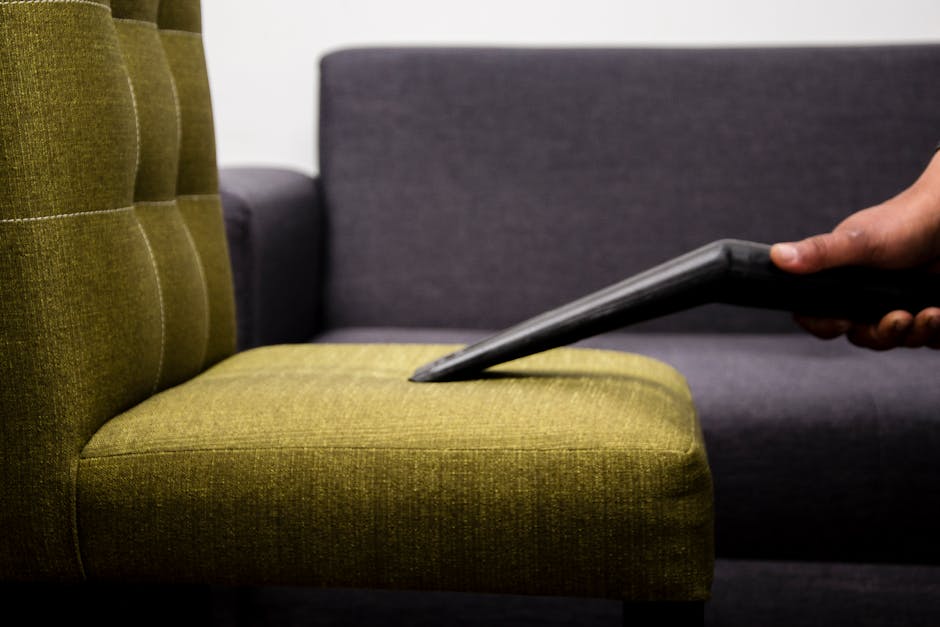
Next comes dry soil removal. This is the step many people underestimate. Loose grit, crumbs, pet hair, and dust need to come out first or they can turn into mud once moisture is introduced. A strong vacuum with appropriate attachments usually does the job, especially around arms, seams, and piping.
After that, the cleaner chooses the treatment method. For many family homes, a low-moisture or hot water extraction style clean can work well on suitable fabrics. For others, especially more delicate pieces, controlled hand cleaning or specialised spotting is safer. The point is to clean thoroughly without overwetting the upholstery.
Stain treatment is usually separate from the main clean. A fresh juice spill needs different handling from an old grease mark or pet accident. To be fair, the age of the stain often matters more than the stain itself. Old marks are usually tougher because they have bonded to the fibres.
Finally, the item is left to dry with good airflow. That drying stage really matters. If upholstery stays damp too long, it may smell musty or attract new dirt faster. A smart clean leaves furniture fresh, not soggy. Nobody wants a sofa that feels like it had a rough day at the seaside.
Key Benefits and Practical Advantages
There are the obvious benefits, and then there are the ones people notice a few days later. A freshly cleaned sofa looks better, of course. But the difference often goes deeper than appearance.
- Better-looking rooms: Clean upholstery lifts the whole room, especially if your furniture is the visual centre of the living space.
- Reduced odours: Everyday smells from food, pets, and general use can build up quietly until you suddenly realise the room feels stuffy.
- More comfortable seating: Removing dust and body oils makes fabric feel fresher and less tired.
- Improved fabric care: Regular cleaning can help reduce wear caused by grit and embedded debris.
- Family-friendly practicality: It is easier to stay on top of a home when key furniture is hygienically maintained.
Another benefit that people often overlook is confidence. When the sofa is clean, you are more likely to invite friends round, let the children pile on after school, or just enjoy the room without mentally noticing every mark. That matters more than it sounds like it should.
There is also the issue of replacement cost. Good upholstery is expensive, and in a family home it often gets used for years. Cleaning is a sensible way to extend the useful life of sofas, armchairs, footstools, and dining seats before replacement becomes necessary.
And let's be honest, replacing a whole sofa is not a small job. Measuring, delivery slots, trying to get it through the hallway without knocking a lamp over... you know the drill.
Who This Is For and When It Makes Sense
This service makes the most sense for households that use their furniture heavily and want it to stay comfortable and presentable. That usually means families with children, pets, or both - which, in many Crofton Park Road homes, is a pretty familiar setup.
You may want upholstery cleaning if:
- your sofa has visible marks or dark patches on the arms and headrests
- there are food, drink, or pen stains from everyday life
- you can smell pet odour or general stale air coming from furniture
- dust or allergens seem to build up quickly in soft furnishings
- your dining chairs or accent chairs look dull even after regular vacuuming
- you are preparing for guests, a sale, or just a seasonal refresh
It is also useful after a specific incident. A spilt drink, a muddy paw print, or a sick-child moment can often be treated better if tackled sooner rather than later. Wait too long and the mark settles in. That is just the way of it.
For landlords or property managers, upholstery cleaning can make sense before new occupants arrive, though domestic family homes are the main focus here. If the furniture is still structurally sound but looks tired, a clean is often the most cost-effective next step.
Not every item needs the same treatment, though. A lightly used guest chair does not need the same attention as the main family sofa. Common sense wins here.
Step-by-Step Guidance
If you are planning upholstery cleaning at home or preparing for a professional visit, the process is easier when you break it down. Small steps, less stress.
- Check the fabric care label. Look for manufacturer guidance before adding moisture or cleaning products. If you cannot find a label, treat the item cautiously.
- Vacuum thoroughly. Remove dust, crumbs, pet hair, and loose debris from all surfaces, especially seams and creases.
- Identify stains. Work out what you are dealing with if you can. Food, grease, ink, mud, and pet accidents often need different approaches.
- Test any product in a hidden spot. Even mild solutions can affect colour or texture. A small test is worth the minute it takes.
- Treat stains before the main clean. This helps avoid spreading marks across a larger area.
- Choose the right cleaning method. Some fabrics benefit from extraction; others need careful hand application or specialist dry treatment.
- Control moisture. Too much liquid can leave rings, slow drying, or cause distortion.
- Allow time to dry properly. Open windows where possible and keep the room ventilated. A fan can help, though do not blast hot air straight at delicate fabric.
- Brush or reset the pile if needed. Some fabrics look better once the fibres are gently lifted after drying.
A practical tip: if you are doing this around family life, plan it for a quieter part of the day. A Tuesday morning clean is a different beast from trying to dry a three-seat sofa at 6pm when everyone wants to sit down and eat pasta.
Expert Tips for Better Results
There are a few simple habits that make a big difference. Nothing dramatic. Just the sort of things experienced cleaners tend to do without making a fuss about it.
Act quickly on fresh spills. Blot, do not rub. Rubbing pushes liquid deeper into the fibres and can spread the mark. A clean white cloth or absorbent paper is usually better than a colourful tea towel you grabbed in a panic.
Use the right amount of cleaning solution. More product does not equal better cleaning. In fact, residue can attract dirt faster later on. That is a common annoyance and easy to avoid.
Pay attention to high-contact areas. Armrests, headrests, and seat fronts usually need extra attention because they collect body oils and everyday grime first.
Deal with odour separately from appearance. A fabric may look clean but still hold smells from pets, damp, or food. Odour treatment is often a separate step, not an afterthought. If pet accidents are involved, specialist pet stain and odour removal can be a sensible route.
Keep curtains and soft furnishings in mind too. When one fabric surface is dusty or odorous, the whole room can feel off. Pairing upholstery cleaning with curtain cleaning or rug cleaning can make the result feel much more complete.
Do not rush drying. A barely dry chair can look fine at first and then smell a bit off the next day. Bit annoying, that. Better to give it proper airflow and patience.
Common Mistakes to Avoid
Most upholstery problems after cleaning come from simple mistakes, not bad luck. A few are repeated so often they are almost a pattern.
- Using too much water: Overwetting can lead to rings, long drying times, and fabric distortion.
- Scrubbing aggressively: This can damage fibres and push stains deeper into the material.
- Ignoring the care label: It is not decorative. The label is there for a reason.
- Applying the wrong product: Bleach, harsh detergents, and improvised mixtures can do more harm than good.
- Forgetting about hidden areas: The back cushions, under cushions, and seams often hold the most dirt.
- Assuming all stains are the same: Ink, grease, tannin, and protein stains all behave differently.
- Putting cushions back too soon: That can trap moisture and slow drying even further.
One of the most common errors is using a single "all-purpose" product and hoping for the best. Sometimes that works. Often it does not. Upholstery is more delicate than it looks, and the cost of a mistake can be a permanently marked armrest. Not ideal.
If the fabric is valuable, textured, or already weakened, it is usually better to stop early than to push on with a risky method. A cautious approach is not overcautious here. It is just sensible.
Tools, Resources and Recommendations
You do not need a warehouse of equipment to look after family upholstery, but a few sensible tools help a lot.
- Vacuum cleaner with upholstery attachment: This is the starting point for almost every proper clean.
- Soft brush: Useful for lifting dust and loosening embedded dirt on sturdier fabrics.
- Clean white cloths: Best for blotting and spotting because they are easy to monitor for colour transfer.
- Spray bottle: Handy for controlled application of water or cleaning solution, if appropriate to the fabric.
- Fan or good ventilation: Very useful for helping furniture dry evenly.
- Fabric-specific cleaner: Only if it matches the upholstery type and care instructions.
For professional help, it is worth choosing a provider that explains the process clearly, works carefully around fabric type, and treats your home with respect. If you want to understand the broader service offer, the main upholstery cleaning service page is a useful place to start, and many families also look at sofa cleaning when the main seating area needs special attention.
If pricing matters - and it usually does - look for transparent guidance before booking. You can check pricing and quotes so you know what is included and what affects the final figure.
For households where multiple fabrics need attention at once, combining services can be efficient. For example, the sofa, dining chairs, and even the mattress might all benefit from a refresh, especially in a busy family routine. A well-timed clean can make a whole room feel new again.
Law, Compliance, Standards, or Best Practice
For domestic upholstery cleaning, there is not a single dramatic legal checklist that every homeowner needs to memorise. Still, there are sensible best practices that matter, especially when cleaning is being carried out in someone's home.
Professional cleaners should work safely, use suitable products, and take care around electrical items, flooring, and fragile fabrics. In the UK, that usually means following good health and safety practice, using appropriate risk awareness, and avoiding careless wet-work around furniture, sockets, and nearby soft furnishings. If you are hiring help, it is reasonable to ask how they manage safety and insurance.
It is also wise to understand how your home data and booking details are handled. If you are checking a provider's policies, the pages on privacy, payment and security, and terms and conditions can help set expectations before anyone arrives with a hose and a van full of kit.
Where families have children, pets, or respiratory sensitivities, best practice also means using cleaning methods that leave minimal residue and allow proper drying. No one wants upholstery that still feels damp by tea time.
If sustainability matters to you, ask about waste handling and product choice as well. A good provider should be able to explain their approach without dressing it up too much. The recycling and sustainability information can also be a useful indicator of wider business practice.
Options, Methods, or Comparison Table
Different upholstery cleaning methods suit different family-home situations. The best choice depends on the fabric, the level of staining, and how quickly you need the furniture back in use.
| Method | Best for | Pros | Watch-outs |
|---|---|---|---|
| Vacuuming and dry maintenance | Routine care, dust, crumbs, pet hair | Quick, low risk, useful between deeper cleans | Won't remove embedded staining or odours |
| Spot cleaning | Fresh spills and isolated marks | Targets the problem area without treating the whole item | Easy to overdo or spread the stain |
| Low-moisture professional cleaning | Routine refresh on suitable fabrics | Balanced clean with less drying time than heavy wet cleaning | Still needs correct fabric matching |
| Hot water extraction | Durable upholstery with heavier soiling | Effective on dirt and general build-up | Not suitable for every fabric; drying time matters |
| Specialist stain treatment | Pet accidents, grease, ink, food marks | More precise handling of problem stains | May need a combination of methods for full results |
For many family homes, a mixed approach works best: regular vacuuming, careful spot treatment when needed, and a professional deep clean when the furniture starts looking tired rather than just a bit dusty. Simple, really. But easy to overlook.
Case Study or Real-World Example
Imagine a typical Crofton Park Road living room on a Friday evening. Two children, one dog, a fabric sofa that has seen better days, and a dining chair set that has started to look patchy in the sunlight. There is no disaster, just the kind of everyday wear that creeps up quietly.
The parents notice the sofa first. It still feels comfortable, but the arms have gone darker and there is a faint smell near the cushions. One seat has a dried snack mark from weeks ago, and the dog's favourite spot has a slightly flat, dusty look. Nothing terrible, just enough to make the room feel a bit less fresh than it should.
A careful upholstery clean begins with vacuuming and inspection. The cleaner checks the fabric type, treats the visible stain separately, and avoids overwetting the cushions. The dining chairs receive a lighter touch because they are a more delicate weave. The main sofa gets a fuller treatment because that is where the traffic is. Afterwards, good airflow and a little patience do the rest.
The result is not some magical transformation into a showroom. That would be nonsense. But the room feels lighter, the odour is reduced, and the furniture looks properly cared for again. The family can use the space without that nagging "it needs doing" feeling hanging over them. That is the real win.
Practical Checklist
Use this quick checklist before arranging upholstery cleaning for a family home.
- Identify the main furniture pieces that need attention
- Check care labels where available
- Note down stains, smells, and wear areas
- Vacuum loose dirt before any wet treatment
- Decide whether the issue is general dirt, a stain, an odour, or all three
- Confirm whether the fabric is delicate or colour-sensitive
- Make sure the room can ventilate well during drying
- Keep pets and children away from freshly cleaned items until dry
- Ask about any security, insurance, or safety information if booking a professional service
- Plan follow-up maintenance so the clean lasts longer
Practical takeaway: the more clearly you identify the fabric and the problem, the better the outcome tends to be. It saves time, avoids damage, and makes the clean more effective from the start.
Conclusion
Crofton Park Road upholstery cleaning for family homes is one of those tasks that quietly improves everyday life. It is not flashy, but you notice it. The room smells better. The sofa looks more welcoming. The chairs stop shouting "we are overdue." And for a busy household, that kind of reset is worth a lot.
The best results come from matching the method to the fabric, treating stains properly, and allowing enough drying time. If you keep that simple framework in mind, you will avoid most of the headaches people run into with upholstery care. And if the furniture is heavily used, a regular professional clean can be the difference between "still fine" and "actually feels fresh again."
If you are comparing options or planning a home refresh, it also helps to review the company's background and practical policies. The pages on about us, insurance and safety, and contact us can give you added confidence before you book anything.
Get a free quote today and see how much you can save.
Frequently Asked Questions
How often should family homes book upholstery cleaning?
There is no single rule for every home, but many families find that upholstery benefits from a deeper clean when visible dirt, odours, or dullness start to build up. Homes with children or pets often need attention sooner than lightly used spaces.
Is upholstery cleaning safe for children and pets?
It can be, provided suitable products and drying times are used. The important part is making sure furniture is properly dry before everyone piles back on it. Freshly cleaned does not mean ready in five minutes.
Can you remove old stains from a sofa?
Sometimes, yes, but it depends on the stain, the fabric, and how long it has been there. Old marks are usually more stubborn than fresh ones. Even when a stain does not vanish completely, a professional clean can still improve its appearance a lot.
What is the difference between sofa cleaning and upholstery cleaning?
Sofa cleaning is usually a more specific service focused on sofas and corner units. Upholstery cleaning is broader and can include armchairs, dining chairs, footstools, ottomans, and other fabric-covered furniture.
How long does upholstery take to dry?
Drying time varies with fabric type, room airflow, moisture level, and weather. A light clean may dry faster than a deeper extraction clean. Good ventilation makes a real difference, especially in cooler months.
Will cleaning remove pet smells from upholstery?
Often it can reduce or remove them significantly, but the result depends on how deeply the odour has penetrated. Some pet issues need specific stain and odour treatment rather than a standard surface clean.
Should I vacuum upholstery before the cleaner arrives?
Yes, if you can. Removing loose dust, hair, and crumbs helps the cleaning process work more effectively. It is a small thing, but it genuinely helps.
Can all upholstery fabrics be steam cleaned?
No, not all fabrics are suitable for steam or hot water extraction methods. Delicate materials may need gentler cleaning. Always check the fabric care instructions first, or ask for advice before using moisture.
What should I do if my child has spilt juice or milk on the sofa?
Blot the area gently as soon as possible and avoid rubbing. Do not soak the fabric. If the mark or smell remains, a proper stain treatment is usually better than trying several home remedies in a row.
How do I choose a cleaning service for a family home?
Look for clear explanations, sensible safety information, transparent pricing, and a service that matches the fabric type in your home. It also helps when the provider is easy to contact and explains what happens before, during, and after the clean.
Is upholstery cleaning worth it if the furniture still looks okay?
Often, yes. Upholstery can hold dirt and odours long before it looks obviously dirty. A proactive clean can freshen the room and help maintain the furniture before wear becomes more visible.
Can upholstery cleaning help with allergies?
It may help reduce dust and allergen build-up in fabric furnishings, though results vary and it is not a medical solution. Regular cleaning, good ventilation, and sensible housekeeping all play a part in keeping the home more comfortable.
What if the fabric is delicate or unknown?
If the fabric is delicate or you are not sure what it is, proceed carefully. Test any product first and avoid heavy moisture. When in doubt, a cautious professional approach is usually the safer option.